What is the difference between procurement and supply chain management?
Procurement buys the goods and services a business needs; supply chain management runs the whole flow from suppliers to customers. Key differences, comparison table and FAQ.
Reading time : 11 min
Updated on : 5 November 2026

Brayan : Digital marketer
The difference between procurement and supply chain management is scope. Procurement is the process of sourcing and buying the goods and services a business needs, at the right cost, quality and risk. Supply chain management (SCM) covers the entire flow of goods, from suppliers through production, storage and logistics to the final customer. Procurement is one part of the supply chain.
Key takeaways ✅
- Procurement acquires what the business needs: it is the inbound, buying side of the supply chain.
- Supply chain management runs the end-to-end flow, from planning to delivery to the customer.
- They pursue different KPIs: savings and supplier performance for procurement, service level and inventory for SCM.
- They depend on each other: forecasts drive purchasing, and supplier performance drives delivery.
What is procurement?
Procurement is the process of identifying, sourcing and acquiring the goods and services an organization needs from external suppliers. It typically follows these steps:
- identifying and approving the need (purchase request),
- sourcing and selecting suppliers (tenders, RFQs),
- negotiating and signing contracts,
- ordering, receiving the goods and checking the invoice,
- paying the supplier and evaluating its performance.
Procurement is broader than purchasing, which only covers the transactional part: placing orders and paying for them.
What is supply chain management?
Supply chain management (SCM) is the coordination of all the activities that move a product from raw materials to the final customer. It includes:
- demand planning and forecasting,
- procurement of materials and services,
- production and inventory management,
- warehousing, transportation and distribution,
- returns and after-sales logistics.
Its aim is to deliver the right product, in the right quantity, at the right time and at the lowest overall cost.
Procurement vs supply chain management: key differences
The table below compares the two functions on eight dimensions.
Scope: one stage vs the whole chain
Procurement focuses on the inbound side: what to buy, from whom and on what terms. Supply chain management looks at the whole flow, including what happens after the purchase: production, inventory, transportation and delivery.
Objectives: cost and supplier value vs service and flow
Procurement is measured on savings, contract compliance and supplier performance. Supply chain management is measured on service level, inventory turnover and lead times. A low purchase price can still hurt the supply chain if the supplier delivers late.
How do procurement and supply chain management work together?
The two functions are interdependent:
- supply chain forecasts tell procurement what to buy and when,
- procurement contracts set the prices, lead times and quality the supply chain relies on,
- supplier performance data (delays, non-conformities) feeds both teams,
- supplier risk management protects continuity of supply.
Sharing the same supplier and order data avoids conflicting decisions, such as a cheaper supplier chosen by procurement that disrupts production.
Which software supports procurement and the supply chain?
ERP and supply chain planning tools manage inventory, production and logistics. Procurement software covers what happens before: sourcing, contracts, orders, invoices and supplier management. The two are connected so that data flows without re-keying.
Oxalys covers the procurement side from sourcing to payment: Source-to-Contract, Procure-to-Pay, supplier relationship management and supplier quality management, integrated with your ERP.
Give your supply chain a reliable procurement backbone
Contracts, orders, invoices and supplier performance in one platform, connected to your ERP.
Request an Oxalys demo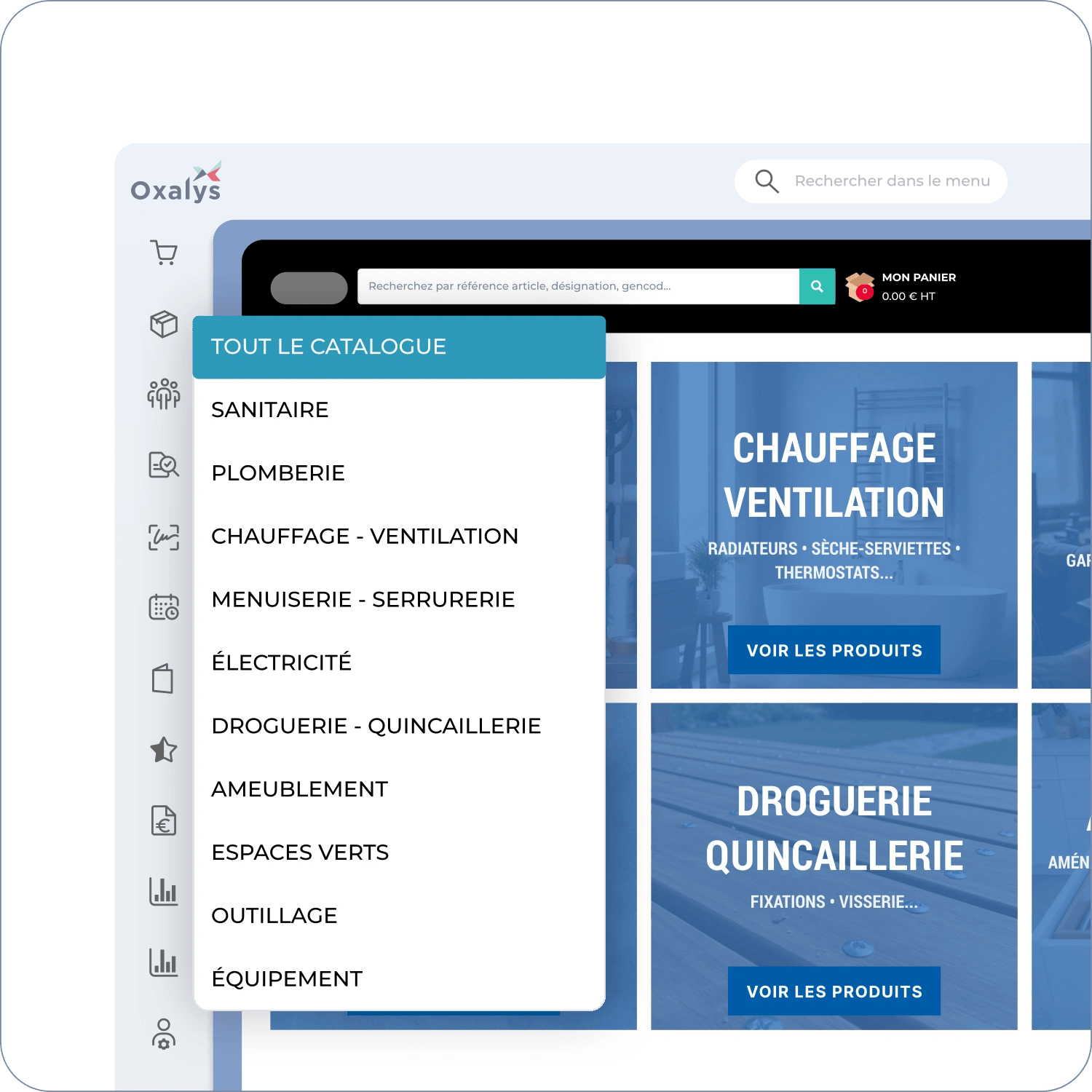
Contents 📝

Procurement vs supply chain FAQ 💡

Is procurement part of supply chain management?
Yes. Procurement is one stage of supply chain management: the inbound stage that sources and buys the goods and services the supply chain needs. Supply chain management then covers production, inventory, logistics and delivery to the customer.
What is the difference between procurement and purchasing?
Procurement is the strategic process of identifying needs, selecting suppliers, negotiating contracts and managing supplier performance. Purchasing is the transactional part of procurement: placing orders and paying for them.
What is the difference between a procurement manager and a supply chain manager?
A procurement manager decides what to buy, from whom and on what terms, and manages suppliers. A supply chain manager ensures that goods flow efficiently from suppliers to customers, managing planning, inventory and logistics.
Which KPIs measure procurement and supply chain performance?
Procurement is measured on savings, spend under management, contract coverage and supplier performance. Supply chain management is measured on service level (OTIF), inventory turnover, lead times and cost to serve.
How does procurement software support the supply chain?
Procurement software secures the inbound side of the supply chain: negotiated contracts, controlled orders, invoices matched to receipts and tracked supplier performance. Connected to the ERP, it gives supply chain teams reliable data on prices, lead times and suppliers.
Similar articles


More than 50,000 professionals have already adopted Oxalys. Discover how to transform your procurement processes every day.
Oxalys is your 100% customisable procurement management solution that evolves with your business.